

The Blue Gold of Agro-Exportation: The Strategic Shift in Global Blueberry Marketing
- . July 2026
The blueberry has ceased to be an exotic summer luxury and has become an essential staple in the global shopping basket year-round. Behind this logistical and agricultural feat lies a profound transformation in the marketing strategies of exporting companies. The global industry—led by giants such as Peru (the world’s top exporter), Chile, and Mexico—faces a hyper-competitive landscape where global shipments exceed two million metric tons annually. In this context, selling isn’t just about shipping fruit; it’s about differentiating your brand, managing your window, and attracting new consumer profiles.
From the Supermarket Aisle to Lifestyle: Appealing to Health and Snacking
The first major success of international marketing has been capitalizing on the superfoods trend. Promotional campaigns have masterfully positioned the blueberry as the “blue jewel” of nutrition: an antioxidant powerhouse that supports heart health, brain function, and the immune system.
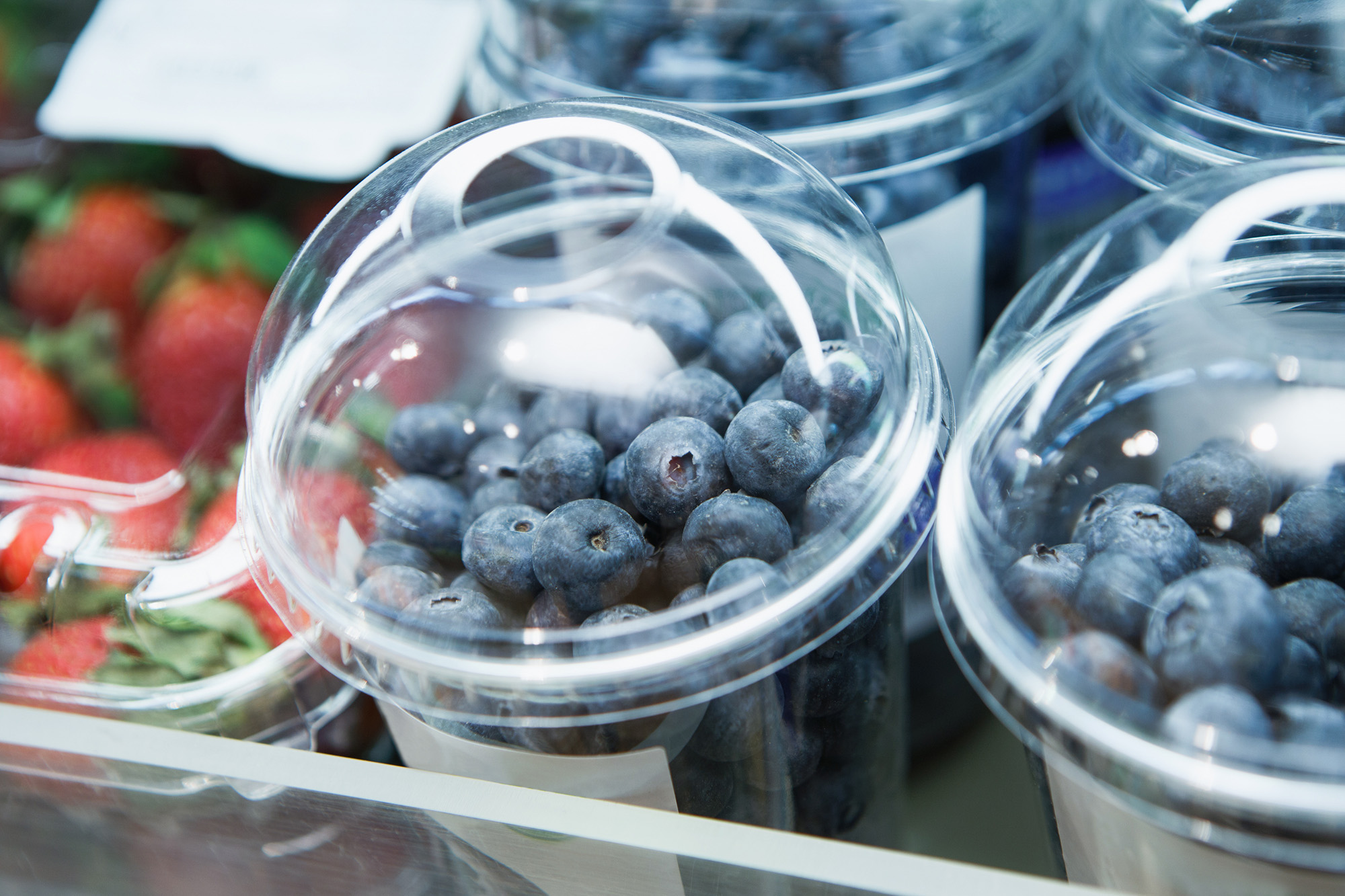
However, the focus has shifted from medical theory to everyday lifestyle. Today, exporters target their communication efforts at well-defined profiles: millennials, fitness enthusiasts, and families with young children. To capture them, marketing has redesigned packaging to prioritize ready-to-eat formats and larger family packs ranging from 450 to 500 grams. The message is clear and direct: blueberries are the ultimate healthy snack, perfect for the office, school, or post-workout, competing head-to-head with ultra-processed products.
The Genetic Revolution as a Brand Argument
Until recently, the price of blueberries at destination ports depended almost entirely on each country’s production calendar. However, the rapid expansion of crops across different regions of the world has brought the dreaded threat of “commoditization” (the loss of differentiated value when there is an oversupply of a common product).
To combat this, sector marketing has found its best ally in genetic innovation. Companies no longer just promote geographic origin, but rather patented premium variety platforms (such as Sekoya or Fall Creek). Marketing departments now educate major retailers (like Walmart, Costco, or Carrefour) and final consumers under three technically and sensorially superior value promises:
Extreme Firmness (Crunch): A guarantee that the fruit will crunch when bitten, phasing out traditional, softer varieties.
Balanced Flavor: A well-balanced ratio of sweetness and acidity.
Extended Shelf Life: Greater resilience on the supermarket shelf and in the home refrigerator.
This premium segmentation strategy allows exporters to defend higher prices even during peak supply moments in the international market.
Finally, green marketing has ceased to be optional. Exporters actively communicate their organic farming certifications, controlled water footprints, and recyclable packaging. For today’s eco-conscious consumer, knowing that their small blue fruit traveled thousands of miles under strict fair-trade standards is vital to justifying their purchase. The exporter that manages to master this narrative of sustainability, paired with optimal fruit consistency, will lead the supermarkets of tomorrow.