

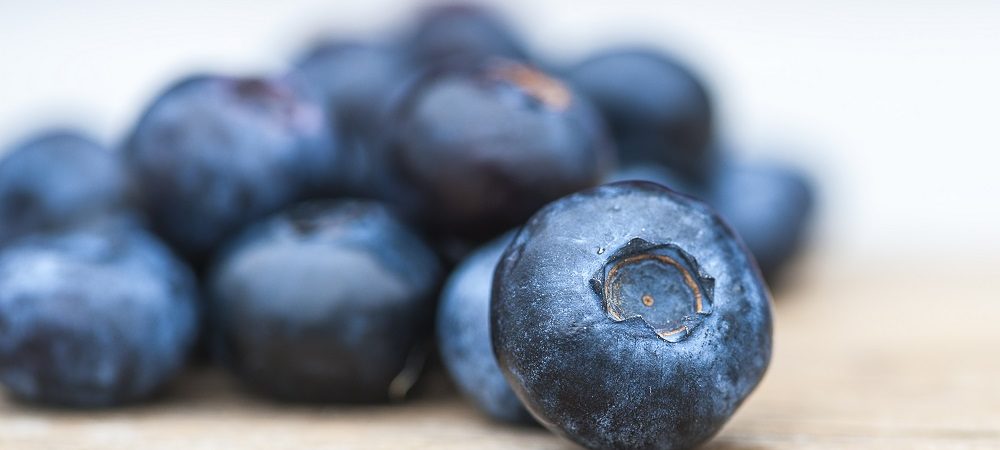
U.S. researchers develop AI tool to track blueberry yields and ripeness
Researchers at NC State University are developing an artificial intelligence and computer vision system designed to help blueberry growers estimate yields and monitor fruit ripeness in the field.
The project is being led by horticultural science professor Jing Zhang through NC State’s Translational Plant Phenomics Lab in North Carolina, where approximately 24,494 tons of blueberries are harvested annually, representing nearly 9 per cent of total U.S. production.
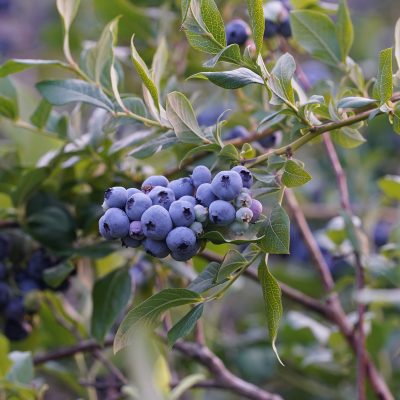
Using a smartphone application, growers can photograph blueberry bushes and receive automated estimates showing berry counts and the percentage of ripe fruit on individual plants.

On one test bush, the AI system identified 112 berries within seconds after the image was uploaded.
According to Zhang and extension specialists working on the project, the technology is intended to support harvest planning and labour management.
Blueberries require multiple harvest passes during the season because fruit does not ripen simultaneously. Fruit harvested too early may lack sweetness, while delayed harvesting can result in soft or shrivelled berries.
“If farmers can make sure that the bushes are at peak ripeness before sending crews out into the field and estimate how many berries they’ll bring to market, they can maximize their labor,” said Randolph County agricultural Extension agent Cody Craddock.
“It’s a decision tool,” Zhang added.
The system was developed using a computer vision model trained with thousands of labelled images to distinguish between ripe and unripe fruit and identify individual berries.
To test the technology, extension agents and researchers collected images from 10 commercial blueberry farms across North Carolina using smartphones and handheld cameras. Researchers then manually harvested, sorted, and counted berries from sampled bushes to compare results against automated image-based estimates.
According to Zhang, the project could also support breeding programs by helping breeders evaluate larger plant populations more efficiently.
The technology is currently being expanded to include additional blueberry varieties and is not yet publicly available for growers to upload images independently.
Zhang’s research team is also applying similar computer vision approaches to other crops and production challenges, including Neopestalotiopsis disease in strawberries.
“The more plants you can look at, the better your chances of finding a winner,” Zhang said.
“The benefit to the tool is that it takes that guesswork out of it,” Craddock added.
Source: HortiDaily