



Blueberries in the UK: The challenge of producing where everyone wants to consume
By Stephen Taylor, MD Winterwood Farms Ltd., and UK Representative for the IBO
 Having spent the whole of my working life developing a business growing and marketing soft fruit—a career that now seems to revolve relentlessly around the blueberry—I frequently find myself caught between two competing forces. On the one hand, there are the cold, hard interests of the grower; on the other, the rapid evolution of one of the most dynamic, demanding consumer markets in the world.
Building a business in the UK, as in any country, comes with its own distinctive set of hurdles. Take, for instance, a 30% surge in the cost of employing pickers and packers over the past three years, or the dismantling of virtually all meaningful government support post-Brexit. It was an own goal of national proportions, I might add, and certainly not one I voted for.
Yet, assessing the state of the British blueberry industry isn’t about indulging in a moan; it is about facing up to an objective reality. My aim here is simply to set out where we stand, and where our sector is heading.
The view from the field: Structural barriers to scale
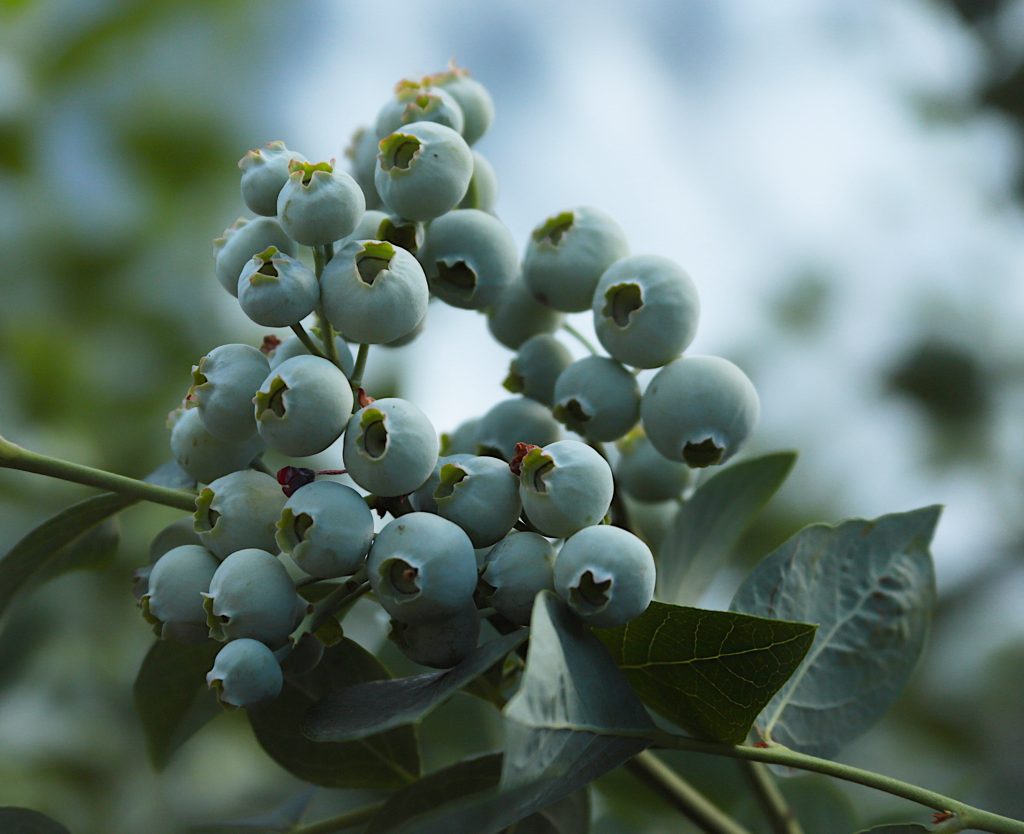 Domestic UK production has settled at roughly 6,000 metric tonnes per year. Whilst modest against our total national consumption, this represents a massive leap from the near-zero figures of not so long ago. Nevertheless, we cannot ignore the structural barriers holding back our expansion.
Operational cost pressures
Harvesting blueberries on British soil remains almost entirely manual. Labour costs have risen by roughly 10% annually over the last three years—a cumulative hike of over 30%. Today, picking a single kilogram of blueberries typically costs upwards of £2.00 ($2.70 to $3.00). Keeping a business profitable under these conditions is our greatest daily trial.
This is compounded by a maritime climate that favours Northern Highbush (NHB) varieties. These types are improving their yield potential far more slowly than their Southern Highbush (SHB) counterparts, which threatens to make life even harder in the years ahead. Furthermore, much of our traditional soft-fruit land isn’t naturally suited to blueberries, forcing a shift towards containerised pot production. Whilst pot grown fruit offers higher potential returns, the sheer capital required limits the acreage any grower can establish from limited cash reserves.
The post-Brexit landscape
Since leaving the EU, our operating framework has altered radically. Growers in neighbouring European countries, such as Poland, benefit from state schemes subsidising up to 50% of capital investments. In the UK, we enjoy no such luxury. Competing on price against heavily subsidised European origins, or regions with vastly cheaper labour, demands exceptional yields and rigorous scale efficiencies.
The perception of origin
Unlike the revered British strawberry, for which shoppers willingly pay a substantial premium, blueberries have never established that emotional, cultural connection with the public—and likely never will. The market views them as a global commodity. Consequently, consumers simply will not pay a meaningful premium for home-grown fruit. Any volume produced beyond a modest baseline must compete directly on price against imported fruit, despite our far higher domestic production costs.
Climate resilience
Extreme weather—from 40°C heatwaves to prolonged droughts—directly damages fruit size, firmness, and overall yields. Mitigating these risks requires heavy capital expenditure: polytunnels, shade netting, hail screens, and reservoirs capable of holding two years’ worth of water rather than one. This capital absorption is a global phenomenon, but the net result is always the same: less cash available to expand planted acreage, and tighter operating margins.
The market view: A gluttony for soft fruit
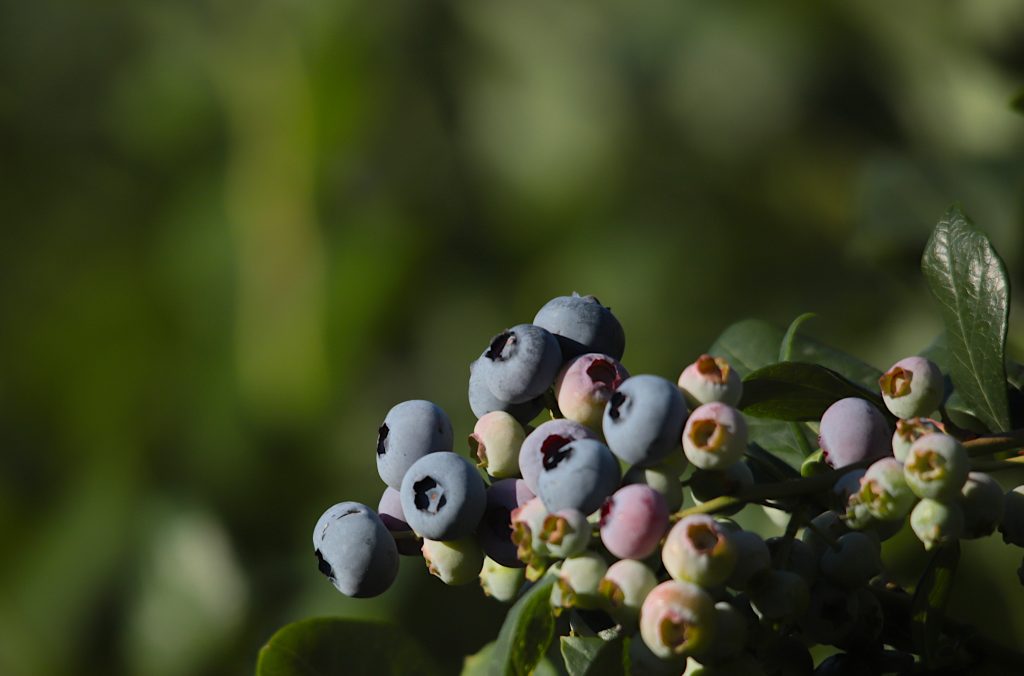 If the view from the field is fraught, the market perspective is remarkably bright: the UK remains a spectacular consumer market for blueberries.
With national demand hovering around 75,000 metric tonnes annually—an impressive 1.1 kg per person—local production meets just 8% of total consumption. This makes the UK a vital destination for international growers, even with the friction of increasingly onerous retail audits (we now undergo around 15 per year, several lasting multiple days).
British shoppers adore blueberries for obvious reasons:
- Health credentials: Their superfood status and high antioxidant profile have made them a supermarket basket staple.
- Convenience: They are a zero-waste, grab-and-go fruit, ideal for snacking or breakfast.
- Consistent quality: Quantum leaps in genetics—particularly in SHB varieties—have elevated firmness, size, and flavour, driving customer satisfaction to record highs.
Defining our window of opportunity
Our strategy as British growers cannot be to go head-to-head with global imports 52 weeks a year. Instead, we must capitalise on our natural production window in June and early July. During these weeks, North African and Southern European supplies begin to tail off, while the massive Eastern European harvest has yet to arrive in full volume. This is when UK growers stand the best chance of securing viable returns.
Furthermore, British retail is heavily segmented into Value, Standard, and Premium tiers. Whilst the Premium category during our season is largely dominated by imports from Peru, South Africa, or Zimbabwe due to specific high-spec varieties, local production remains a vital pillar for the Standard tier at the onset of summer.
There are also niche opportunities for growers in Scotland, who can exploit the September window when English production winds down. However, high climate mitigation costs and the rising volume of Southern Hemisphere fruit entering the market from September 1st mean this is a delicate balance long-term, even if Scottish growers enjoy profitable spikes in demand in the near term.
A pragmatic path forward
The outlook for UK blueberries should not prompt despair, but pragmatism. Pursuing total self-sufficiency or unbridled expansion makes little sense if market economics do not support it. Instead, our focus must be threefold:
- Optimising efficiency: Maximising yield per hectare and adopting technology to reduce labour reliance for non-harvesting tasks.
- Protecting our window: Delivering peak quality at the start of summer so British fruit remains the first choice for supermarkets before Eastern European supplies peak from mid-July through August. (There is also a clear gap in June, where soaring demand driven by high-quality Moroccan fruit is not currently matched by volume from elsewhere).
- Embracing international collaboration: Acknowledging that satisfying UK demand requires a global supply chain year-round. We must also recognise the crucial role of the packhouse; modern, highly efficient packhouses spread overheads across 52 weeks, which is necesary for the UK to be a more attractive destination for foreign exporters compared to mainland Europe.
The UK blueberry sector has a solid future. For domestic growers, success relies on agility—adapting to global shifts, managing natural resources like water, and navigating a shrinking labour pool. We must offer consumers exceptional home-grown fruit when our climate allows, and embrace imported fruit to keep the market thriving for the rest of the year.
IBO Exclusive content