

Ruy Barbosa and Chile’s New Blueberry Season: “There is an opportunity, but we must be responsible and meet what the market wants”
Peru’s lower supply opens a commercial window for Chile in international markets. However, weather, fruit quality, and the progress of variety replacement will be decisive in taking advantage of a season projected with optimism, but also with major challenges.

The new Chilean blueberry season kicks off with favorable expectations. The drop in Peruvian production—affected by the El Niño phenomenon—opens opportunities for Chile to boost its presence in international markets and satisfy a demand that could be left partially unmet. However, capitalizing on this scenario will require quality, commercial responsibility, and the capacity to tackle weather challenges.
That is according to Ruy Barbosa, president of the Blueberry Committee of Frutas de Chile and general manager of North Bay Produce in Chile, who cautions that the opportunity must be approached with care. “Peru has done a spectacular job that we are capitalizing on,” he states, highlighting that the neighboring country has strengthened the confidence of supermarkets, distributors, and international consumers. In this context, the lower availability of Peruvian fruit creates a gap that Chile could help fill.
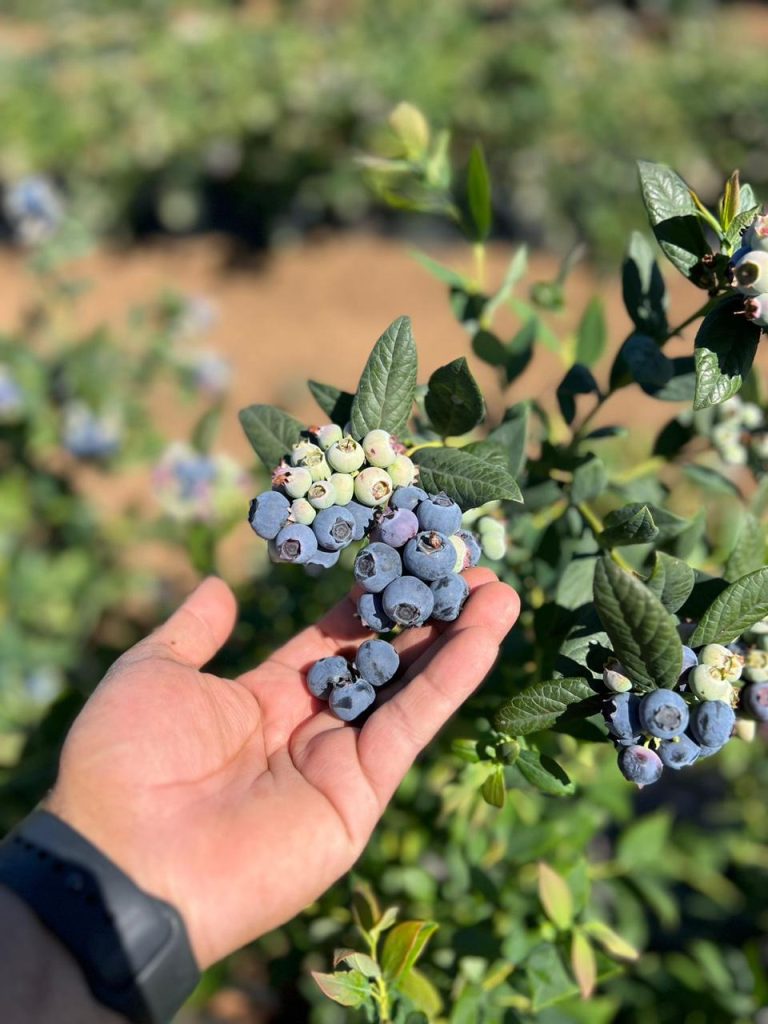 Nevertheless, he emphasizes that weather events are also affecting domestic growers. Rain and hail could compromise the fruit’s condition and its performance during transit, making it essential to maintain rigorous standards during selection and export.
“We can’t declare victory until our fruit reaches its destination,” he warns, insisting that the industry must prioritize quality over immediately chasing high demand.
Traditional Markets and New Opportunities
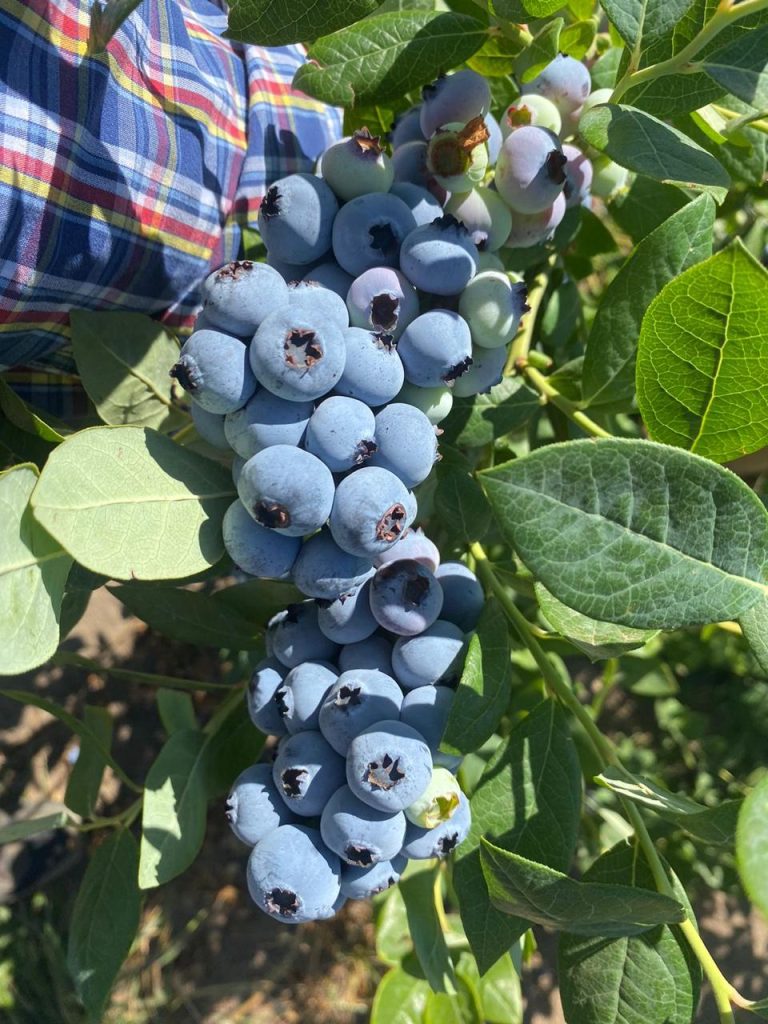 The United States and Europe will continue to account for a large portion of shipments, driven by what Barbosa describes as very strong demand. However, Chilean blueberries are also finding opportunities for diversification.
India and the Middle East are emerging as destinations where Chile is ramping up its commercial efforts, while Korea represents an intriguing alternative, with shipments already taking place since September, according to the industry leader.
Added to this is Latin America, where he sees growth potential. However, a strategy still needs to be developed to expand consumption and consolidate these markets.
For Barbosa, one of the blueberry industry’s main strengths is precisely its broad market diversification, which allows supply to be distributed based on market conditions and specific requirements. That is why the Blueberry Committee is preparing promotional strategies in Chile, Argentina, and Brazil.
Variety Replacement: The Bet on Regaining Competitiveness
Beyond immediate opportunities, the future of the Chilean industry is closely linked to adopting new varieties—a process that began gaining momentum in 2020 but initially faced resistance due to high costs and production uncertainty.
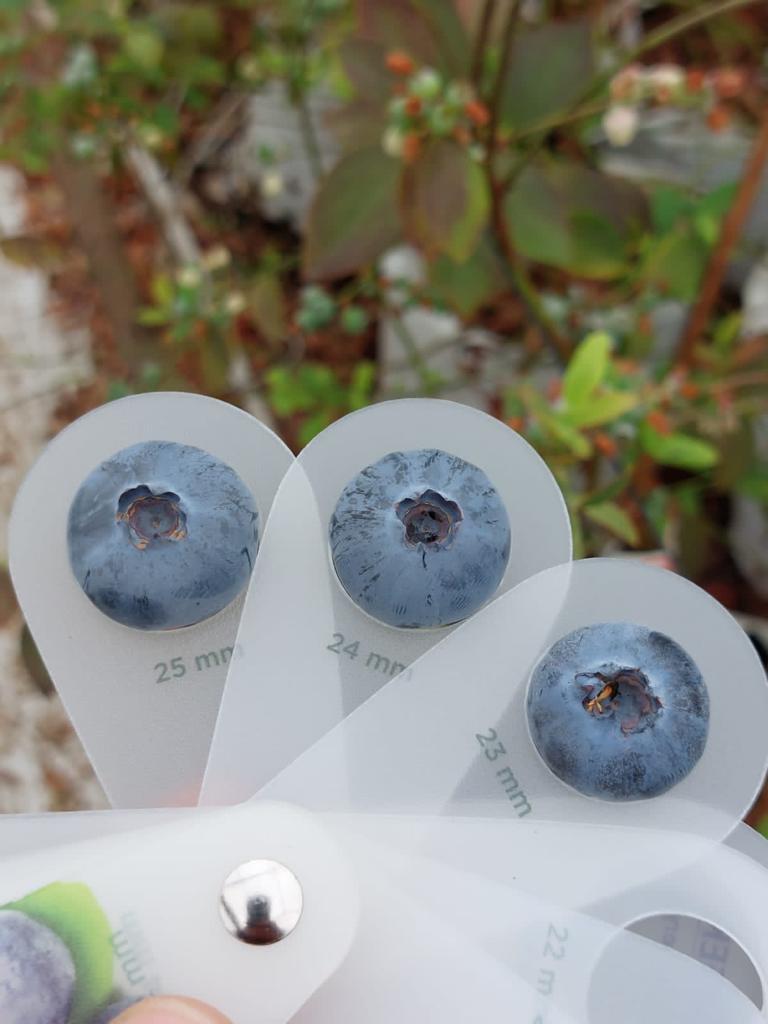 Today, the landscape is starting to change. Varieties such as Suziblue and Blue Ribbon have shown strong results in Chile,while newer generations, including the Sekoya and MBO lines, are sparking growing interest among growers.
Barbosa notes that these varieties are proving their ability to compete on quality with supply from countries like Peru,Mexico, and Morocco, though he cautions that adopting them requires substantial investment and high-level technical management.
In this context, he projects that starting in 2027, Chile could reach a replacement rate of 1,200 to 1,300 hectares per year with next-generation varieties. The results of this shift would begin to reflect more strongly in export volumes around 2028 and 2029.
Despite the challenges, Barbosa maintains a positive outlook on the national industry’s future. In his view, Chilean growers have demonstrated an ability to reinvent themselves, boost efficiency, and improve quality, though he acknowledges that a competitive gap with Peru still exists.
In this regard, he highlights the opportunities offered by the frozen segment as a viable and attractive alternative for fruit whose condition cannot guarantee a successful arrival in fresh export markets.
With an evolving product offering and favorable international demand, Chile enters a season that could strengthen its market positioning. The challenge will be to capitalize on this window without compromising buyer trust, consolidating an industry capable of competing on quality and complementing South America’s blueberry supply.
IBO Exclusive