

Real-time data and decision-making in global berry harvest operations
Berry growers across the world continue to navigate a consistent set of operational pressures. Labor availability, harvest efficiency and quality management remain central challenges in most production regions. What is evolving is the role of technology in providing clearer visibility during harvest and supporting faster, more structured decision-making on the ground.
Ilan Chanochi, Chief Revenue Officer at PickApp Farming, works with berry growers internationally and sees many of the same patterns repeating across countries. “Berry growers worldwide share key operational challenges, especially balancing productivity and quality,” he explains. “When only speed is incentivized, quality can suffer.” He adds that high labor turnover increases the need for ongoing training, and that as farms expand, coordinating timing across multiple plots becomes more complex. In parallel, manual data entry remains common in many operations, consuming time and limiting day-to-day oversight.
Technology built around on-farm realities
Chanochi emphasizes that the value of digital tools depends on how well they reflect real-world conditions. Connectivity, workforce dynamics and daily operating routines vary widely, shaping what can be implemented successfully and what will be adopted by teams in the field.
“Technology is crucial, but only if it fits local realities,” he says. In areas with limited connectivity, offline functionality becomes essential. In high-turnover environments, systems must be simple and intuitive to support faster onboarding and consistent use. He also points to the importance of feedback from supervisors and field teams: practical input from daily work often highlights small adjustments that make a meaningful difference in usability and accuracy, details that can determine whether technology becomes embedded in operations or remains underused.
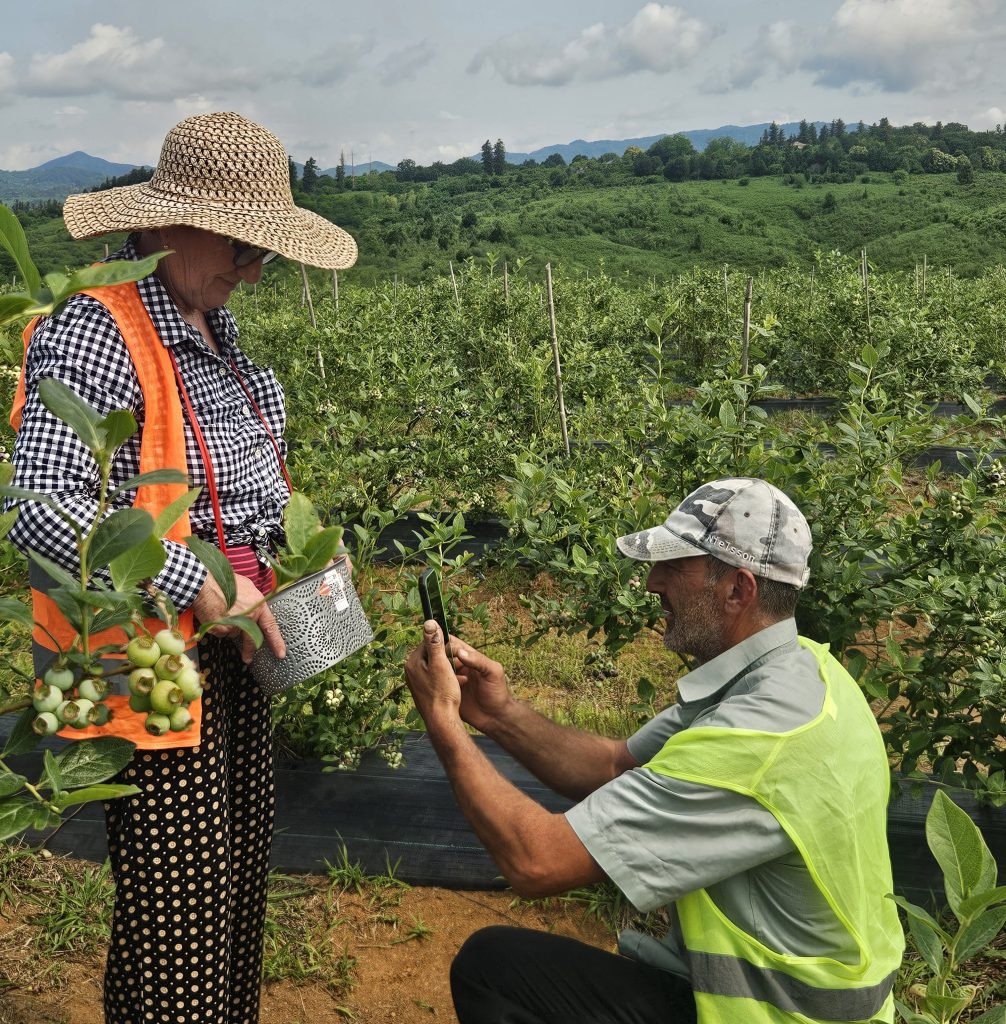
Moving from delayed reporting to real-time management
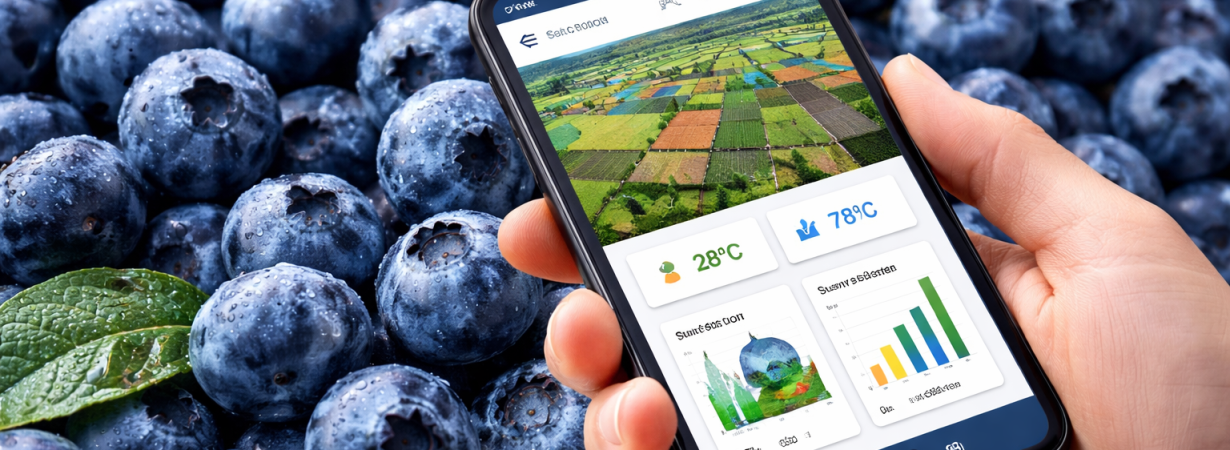
A recurring theme in Chanochi’s experience is the shift from delayed reporting toward real-time management. For many farms, the objective is not simply to generate more information, but to turn information into action while the harvest is underway.
“Instead of waiting until the end of the day, managers can identify issues as they happen,” he notes, whether those issues relate to performance or fruit quality. With better visibility, teams can respond sooner—through retraining, reallocating resources or adjusting plans across blocks. Chanochi adds that this visibility can support coordination beyond the field as well, enabling packing and commercial teams to align based on live harvest data. In practical terms, this changes management from a reactive approach to a more proactive one.
Data as a decision-making tool during harvest and beyond
From a harvest perspective, data has become a direct input for operational decisions. When quality concerns arise, managers can respond quickly by retraining workers or focusing attention on specific areas. Daily progress against targets can be monitored more accurately, reducing inefficiencies and missed opportunities. As Chanochi puts it, real-time information enables faster decisions that can save both time and cost.
At the same time, he is careful to underline that harvest data alone is not sufficient. “Harvest data alone is not enough,” he explains. “True decision-making comes from systems that support growers throughout the entire season, not only during picking.” Over time, aggregated data can also support longer-term planning and evaluation, including insights into which blueberry varieties perform best under specific conditions.
What changes when technology is integrated effectively
When technology is integrated properly into harvest and workforce management, Chanochi says outcomes are often visible relatively quickly. He highlights a behavioral dimension that is sometimes overlooked: “Measured work tends to improve, not out of fear, but because workers are more motivated and engaged.” In his experience, productivity gains of 10–20% can be observed in some cases, alongside quality improvements of 5–10% in the final product. Beyond performance metrics, he notes that growers often benefit from greater consistency and predictability—advantages that are increasingly important in competitive global markets.
Looking ahead: forecasting, planning and wider accessibility
Chanochi expects the next phase of technology adoption in berries to place greater emphasis on planning and foresight. With rising costs and increasing complexity, forecasting tools and analytics are becoming more relevant to decisions made before the season begins—supporting planning for yields, labor needs and budgets.
Importantly, he does not see these benefits as limited to only the largest operations. Smaller growers, he argues, can also benefit from digital tools that help them “do more with less,” particularly as operational pressures increase and the need for efficiency becomes more acute. Some of these capabilities are already emerging across the industry, and their adoption is likely to accelerate as they become more accessible and more closely aligned with day-to-day realities.
For the global berry sector, the direction is increasingly clear. Technology is becoming less about experimentation and more about execution—supporting real-time visibility, better coordination and decision-making that extends beyond harvest to the full season. In an environment where labor, quality and timing remain critical variables, tools that bring clarity and structure to operations are shifting from optional advantages to practical requirements.
IBO Original Content
01-29-2025