

Sustainable substrates: the momentum to move away from peat gathers pace
From the signing of the 2015 Paris Agreement on climate change to the more recent tightening of European Union regulations on CO2, pressure has been mounting on blueberry growers to adopt more sustainable and environmentally-friendly production methods. The effects of this pressure can be seen in areas such as substrates, where increasing numbers of producers are moving away from carbon-intensive peat towards more sustainable alternatives.
Although an important component of substates, peat causes higher CO2 emissions during manufacture compared with other raw materials and has been banned for horticultural use in the UK bar a small exception for blueberries, according to Giz Gaskin, crop manager for soft fruits at Geeste, Germany-headquartered Klasmann-Deilmann.
“Ultimately the customers of our industry expect the soft fruit industry to responsibly control the usage of CO2 in the delivery of fruit,” he explains.
As part of its own commitment to sustainability, Gaskin says Klasmann-Deilmann is increasing its amount of non-peat substrates, which now account for 30% of the substates the company sells each year. “Klasmann-Deilmann manufactures over 1 million cubic meters of alternative, non-peat constituents, which are used in various crops. A large proportion of these are used in soft fruit and blueberry crops,” he says.
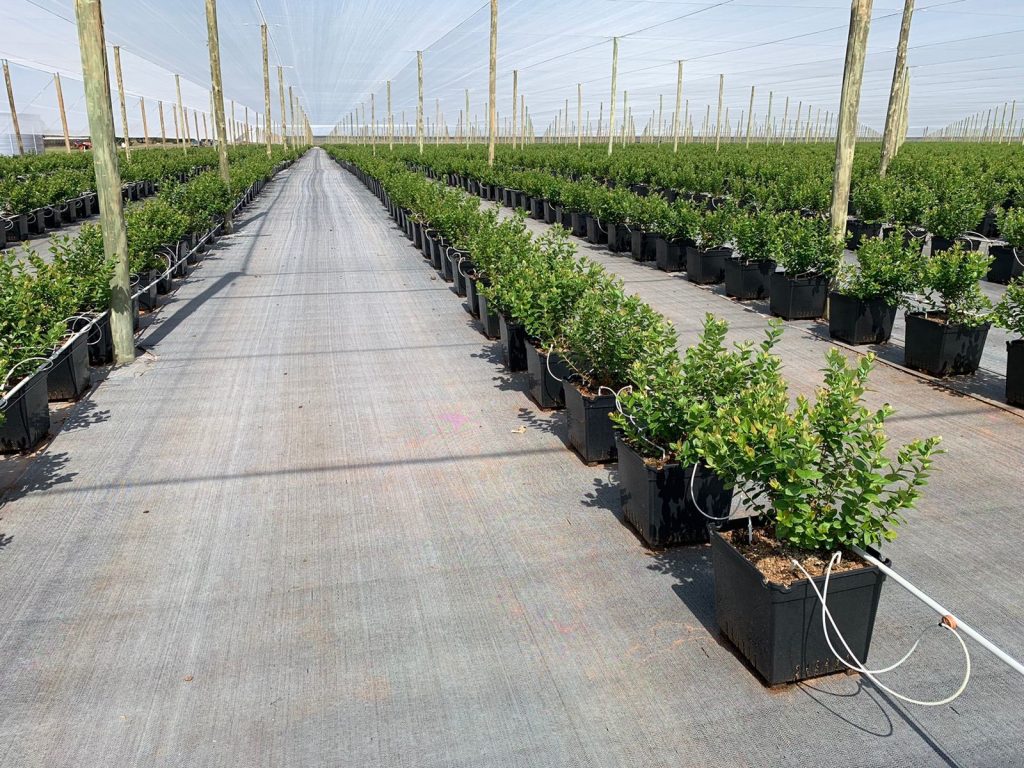
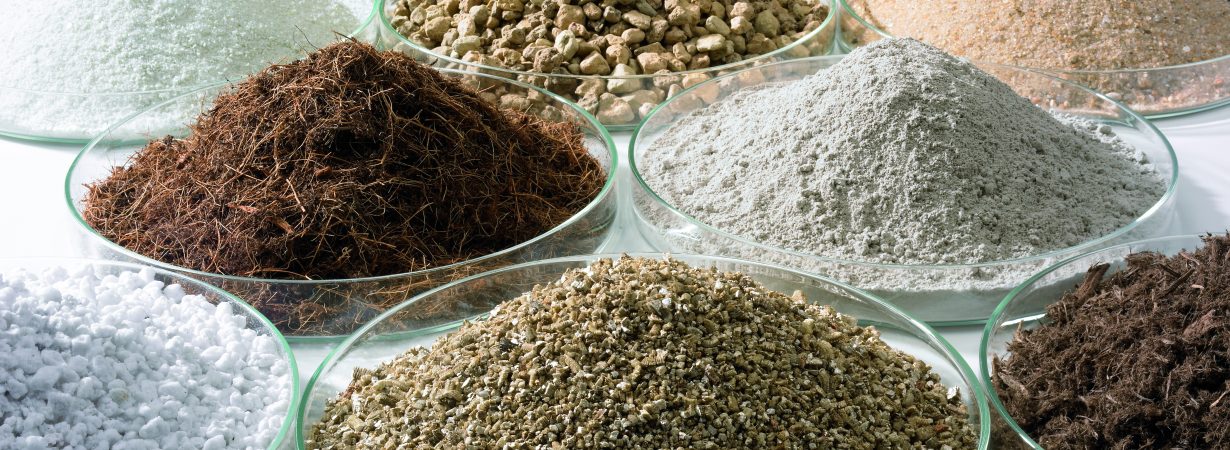
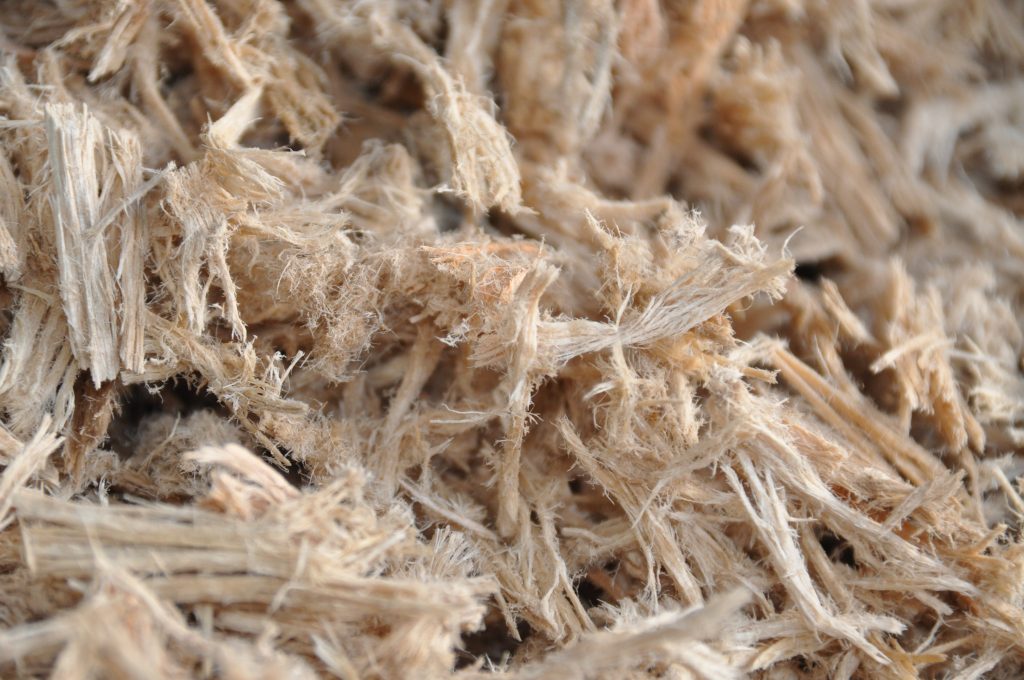
The substrates’ non-peat constituents include ‘GreenFibre’ wood fiber, which Gaskin says offers long-term structural stability, and forms part of Klasmann-Deilmann’s flagship TS 4 ‘Blueberry’ substrate. “GreenFibre allows us to reduce the amount of peat and perlite in substrate blends, as it takes up some of the important structure aspects previously supplied by the sod peat fractions,” he explains.
Klasmann-Deilmann also offers TS 4 with coir instead of wood fibre for regions where blueberry cultivation is more difficult. The presence of coir helps the substrate retain more water in areas where irrigation water is scarcer or salination levels are higher.
Based in Coimbatore, India, Meadow India offers high-quality coir substrates specifically designed for blueberry cultivation. 100% sustainable and renewable, the coir is made from coconut husk, and washed and buffered with stable EC and pH suited for blueberries.
According to the company’s managing director, Jeeva Baarathi, the blueberry industry is rapidly shifting from peat to coir because increasing restrictions of global peat use due to the environmental impact and depletion, promoting growers to seek renewable and sustainable alternatives.
“Blueberries respond better to substrates with faster drainage and higher air porosity,” Baarathi explains. “Overall, coir gives growers stronger root growth, uniform production, and predictable results.”
Challenges to overcome
Despite this, Baarathi acknowledges that there are some challenges to coir’s wider adoption such as inconsistent raw material quality, logistics and freight problems, and a higher cost.
In terms of material, he says coir must be washed and processed correctly. Poor-quality material can affect EC, pH, and crop performance. Given Meadow’s coir is manufactured in India and Sri Lanka, Baarathi says it is vulnerable to global freight fluctuations. However, he says Meadow gets round any potential difficulties by having multiple production lines that allow the company to ship continuously.
And while sustainable materials can sometimes carry a slightly higher price tag than peat, Baarathi says the long-term lifespan of coir reduces overall crop costs.
Similarly, Gaskin admits changing from peat is not a simple challenge, given that each new raw material needs to be assessed from a commercial and plant physiology point of view to judge its suitability as a commercial example for transportation, he says heavier substrates reduce the amount that can be loaded, thereby increasing the product price per cubic meter.
“While GreenFibre is an example for a low weight raw material for improving transport weight of substrates, most peat alternatives would provide higher weight and/or higher processing costs, so the final product prices for more sustainable substrates usually are higher,” Gaskin explains.
“Peat is light weight, fluffy, organic, packed with CEC for micronutrients, can be adjusted to meet any crop requirement at any pH, is water absorbent with good, oxygenated structure, and is naturally abundant. We need to deliver in sustainable substrates, what mother nature delivered in peat. That is the challenge in a nutshell.”
But while some challenges still have to be overcome, both Gaskin and Baarathi see considerable growth opportunities for sustainable sustrates. Baarathi says new UK and EU regulations are driving a move away from peat, while at the same time further opportunities are emerging for blueberries in Morocco, Peru, Chile, Mexico, and Portugal.
Gaskin, meanwhile, predicts that greater adoption will gradually take place as the movement to reduce peat in blueberry production gathers pace.
“Costs may fall in future as many of the new solutions are currently still in a development stage,” he adds. “Once they become more mainstream, we may see a better natural pricing structure which will benefit the global grower base.”
12-02-25
IBO Original Content